NFL Accumulator Bets UK: Structuring Multi-Leg Parlays
 Available in US
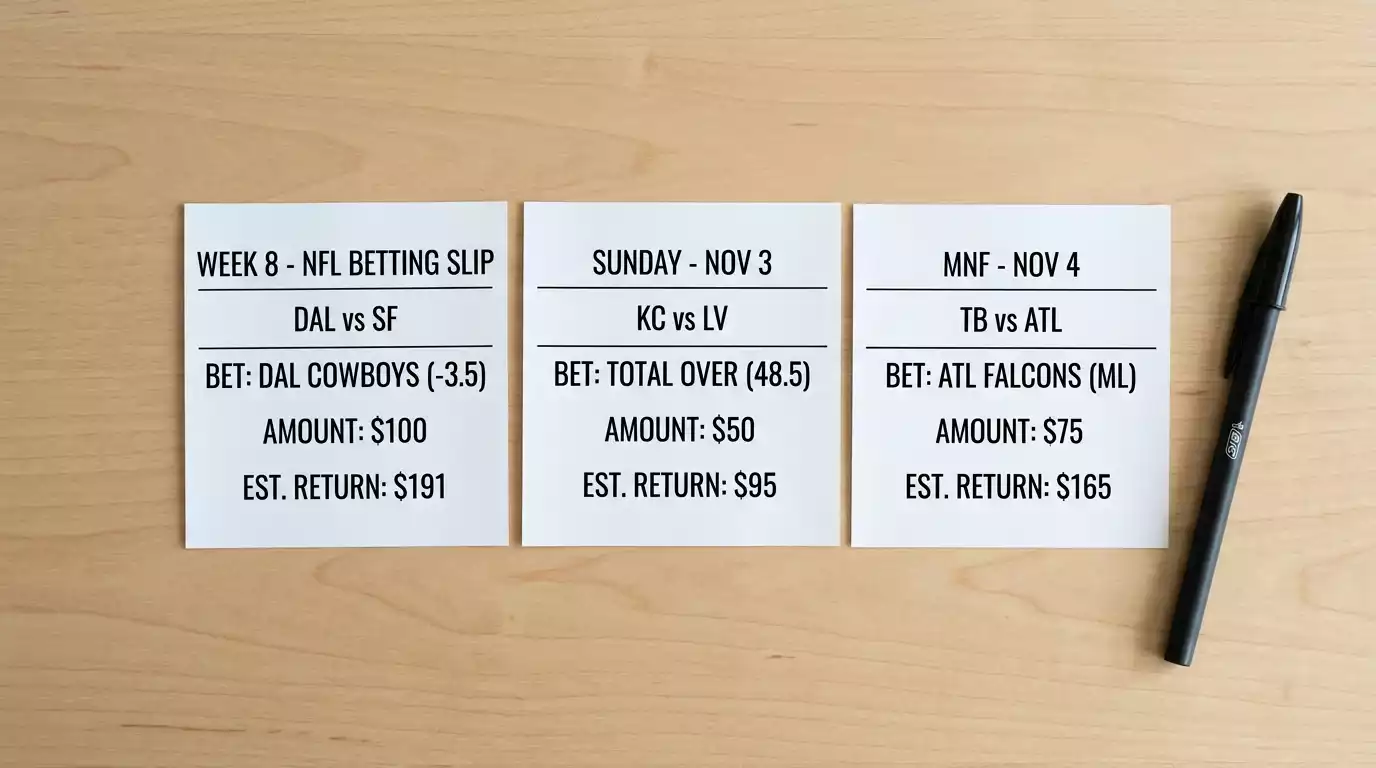
A four-fold NFL accumulator nearly paid for my Christmas in 2021. Three legs landed comfortably, and the fourth — Green Bay covering a 3-point spread at home — came down to a field goal with eleven seconds left. It missed wide right. The acca died, and so did roughly GBP 800 in potential profit from a GBP 20 stake.
That is the emotional reality of accumulator betting. The mathematical reality is less dramatic but more important: every leg you add to an NFL acca compounds the bookmaker’s edge against you. With 290 million online bets placed monthly across UK sportsbooks, accumulators account for a disproportionate share of operator profit — not because the concept is flawed, but because most bettors build them carelessly. Knowing how NFL accas are priced, what the insurance offers actually protect, and where to draw the line on leg count separates recreational punters from those who treat their bankroll seriously.
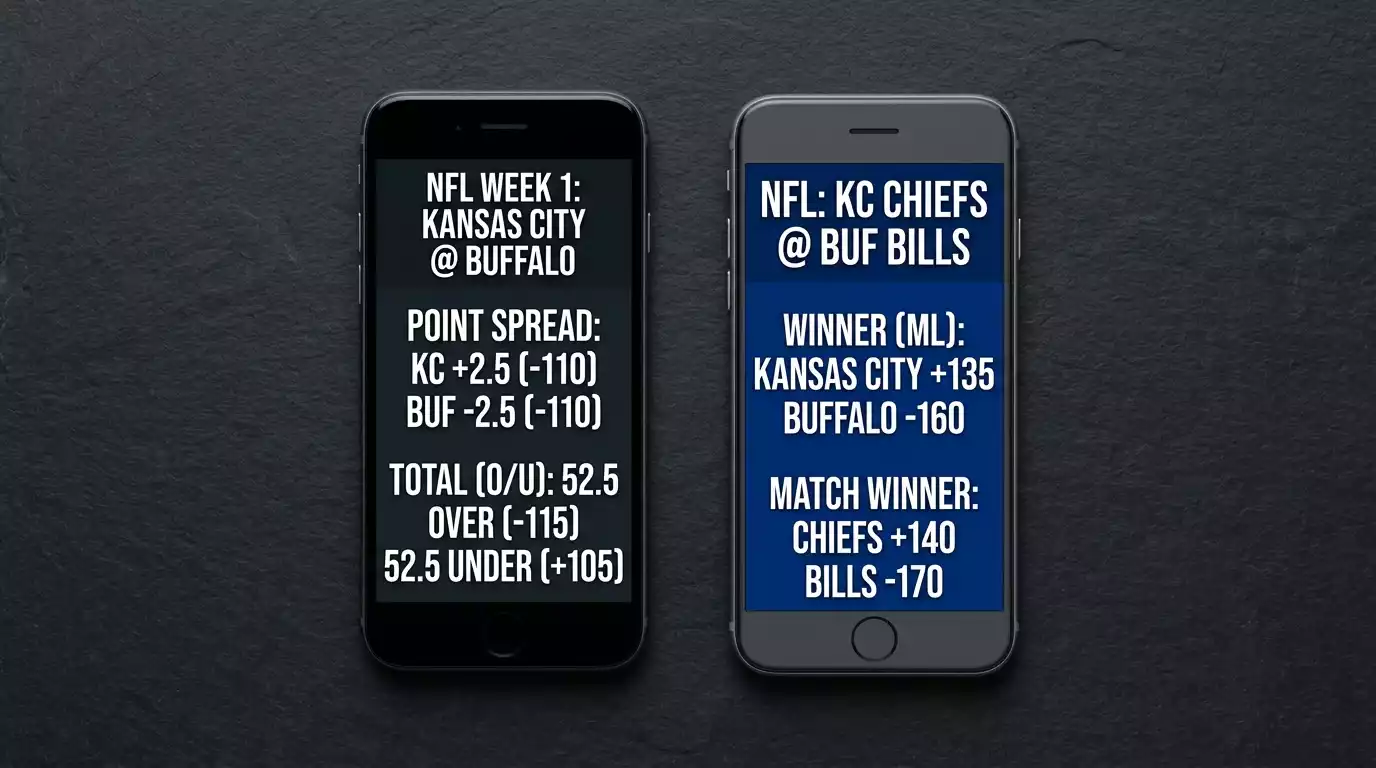
Instead of relying solely on traditional parlays across multiple games, you can also use an NFL bet builder to combine correlated selections from a single matchup.
NFL Accumulator Bets: Calculating Multi-Leg Parlay Pricing
I once sat in a pub explaining acca pricing to a friend using beer mats. It took four pints and six beer mats, but the principle stuck. Here is the short version.
An accumulator multiplies the decimal odds of each selection together. Two selections at 1.91 (roughly 10/11, standard spread pricing) produce combined odds of 1.91 x 1.91 = 3.65. A GBP 10 stake returns GBP 36.50 if both win. Add a third leg at the same price and the combined odds jump to 6.97 — GBP 69.70 from a tenner. The growth looks exponential, and it is. That is precisely the appeal.
The catch hides in the overround. Each individual leg carries a bookmaker margin of roughly 4-6% on NFL spread markets. When you multiply odds together, you also multiply those margins. A four-fold acca at standard NFL pricing carries an effective house edge north of 15%. A six-fold pushes beyond 25%. You are not just betting against four or six outcomes — you are paying a compounding tax on each one.
NFL accumulators face an additional structural challenge that football (soccer) accas do not: correlation. NFL games within the same week can share environmental factors — a weather system hitting the East Coast affects multiple games simultaneously. If three of your four legs involve teams playing in the same storm, those outcomes are not independent. Sportsbooks price each leg as if the events are uncorrelated, but in reality they are not, and that correlation sometimes works for you but just as often works against you in ways you did not anticipate.
None of this means accumulators are inherently bad bets. It means the expected return deteriorates with each added leg, and the bettor needs to be honest about whether the thrill of a big potential payout is worth the mathematical cost.
Accumulator Bonuses and Insurance at UK Sportsbooks
Every September, my inbox fills with promotional emails offering acca boosts and insurance on NFL bets. Since January 2026, the UKGC has capped wagering requirements on bonuses at a maximum of ten times the bonus value and banned mixed casino-and-betting bonuses entirely. These reforms changed the promotional landscape significantly — the old era of opaque, high-turnover bonus conditions is over, at least in theory.
The most common NFL accumulator promotions at UK sportsbooks fall into three categories. First, acca insurance: if one leg of your accumulator loses, you receive your stake back as a free bet. The catch is usually a minimum number of legs (four or five) and minimum odds per selection. Second, acca boosts: a percentage bonus added to your winnings based on the number of legs, typically starting at 5% for a four-fold and scaling up. Third, odds boosts on pre-built accas: the sportsbook constructs a specific NFL accumulator and offers enhanced odds, often for Sunday’s marquee games.
Insurance offers sound generous, but the free bet you receive if one leg loses is not cash. Free bet stakes are not returned with the winnings, so a GBP 10 free bet at 2.0 returns GBP 10 profit rather than GBP 20. The actual value of most acca insurance offers, once you account for the probability of exactly one leg losing, sits around 10-15% of the stake — real value, but less than the marketing suggests.
Acca boosts are more straightforward. A 10% boost on a four-fold is 10% more profit if the acca lands. The question is whether the boost compensates for the compounded overround. On a four-fold with standard NFL pricing, a 10% boost roughly halves the effective house edge. On a six-fold, it barely dents it. I generally cap my NFL accas at four legs specifically because the boost mathematics break down beyond that point.
Maximize your potential payouts by comparing odds at our trusted NFL betting resource before finalizing your slip.
Building Smarter NFL Accumulators
Three rules have survived nine years of my NFL betting without revision. First: never build an accumulator from selections you would not bet individually. If you would not stake GBP 10 on a single leg as a standalone bet, it has no business in your acca. The temptation to add “banker” legs — heavy favourites at short prices to pad the acca without much perceived risk — is exactly how casual bettors inflate leg count and compound house edge without adding genuine value.
Second: mix bet types within the acca where the sportsbook allows it. Combining a point spread selection with a totals pick and a teaser-style adjusted line can produce an accumulator where the legs have genuinely different risk profiles. If all four legs are spread bets on favourites, you have concentrated exposure to a single type of outcome. Diversifying within the acca is not a guarantee of success, but it reduces the chance of a single market-wide swing wiping out every leg simultaneously.
Third: set a hard weekly acca budget and stick to it. I allocate no more than 5% of my NFL betting bankroll to accumulators in any given week. The rest goes to singles and the occasional double. This ratio keeps the entertainment value of accas alive while ensuring my bankroll is not disproportionately exposed to a bet type with a structurally high house edge.
The NFL regular season offers 18 weeks of action, with the bulk of games concentrated on Sundays. That weekly rhythm tempts you into building large accas across the full Sunday slate. Resist it. The best NFL accumulators I have placed were small — two or three legs where I had a genuine analytical edge on each game, not a seven-fold built from gut feelings about the entire afternoon.
How does NFL parlay / accumulator betting work?
An NFL accumulator combines two or more selections into a single bet. All selections must win for the bet to pay out. The odds of each leg are multiplied together, producing a higher potential return than individual bets but requiring every pick to be correct. If one leg loses, the entire accumulator loses — unless you have acca insurance that covers a single losing leg.
What is acca insurance on NFL bets?
Acca insurance is a promotion where the sportsbook refunds your stake as a free bet if exactly one leg of your accumulator loses. It typically requires a minimum number of legs and minimum odds per selection. The refund comes as a free bet rather than cash, so the actual value is lower than the face amount because free bet stakes are not returned with winnings.
How many legs should an NFL accumulator have?
Keeping NFL accumulators to three or four legs offers the best balance between enhanced returns and manageable risk. Each additional leg compounds the bookmaker’s margin against you, and accumulator bonus percentages rarely compensate for the increased house edge beyond four or five legs.
Prepared by the Betting nfl Games Online editorial staff.